Sustainable construction products are on the rise, but have they got what it takes to achieve mainstream success in a hypercompetitive market? Not without rigorous product certification. These four recent certification success stories speak to that point.
From recycled bricks to hemp-based insulation, construction products have been pushing the boundaries of innovation and sustainability in recent years. These eco-friendly engineering marvels are helping the built environment reduce its greenhouse gas emissions and transition to a circular economy.
But can sustainable construction products make a real dent in the sector’s huge environmental footprint, which amounts to 37% of global emissions? The answer is no, unless they achieve mainstream adoption. This is where product certification plays a vital role.
Let’s take a look at four ways in which certification has enabled innovative construction products to take the leap from niche to mainstream.
- Zero-waste bricks: making recycled materials market-ready
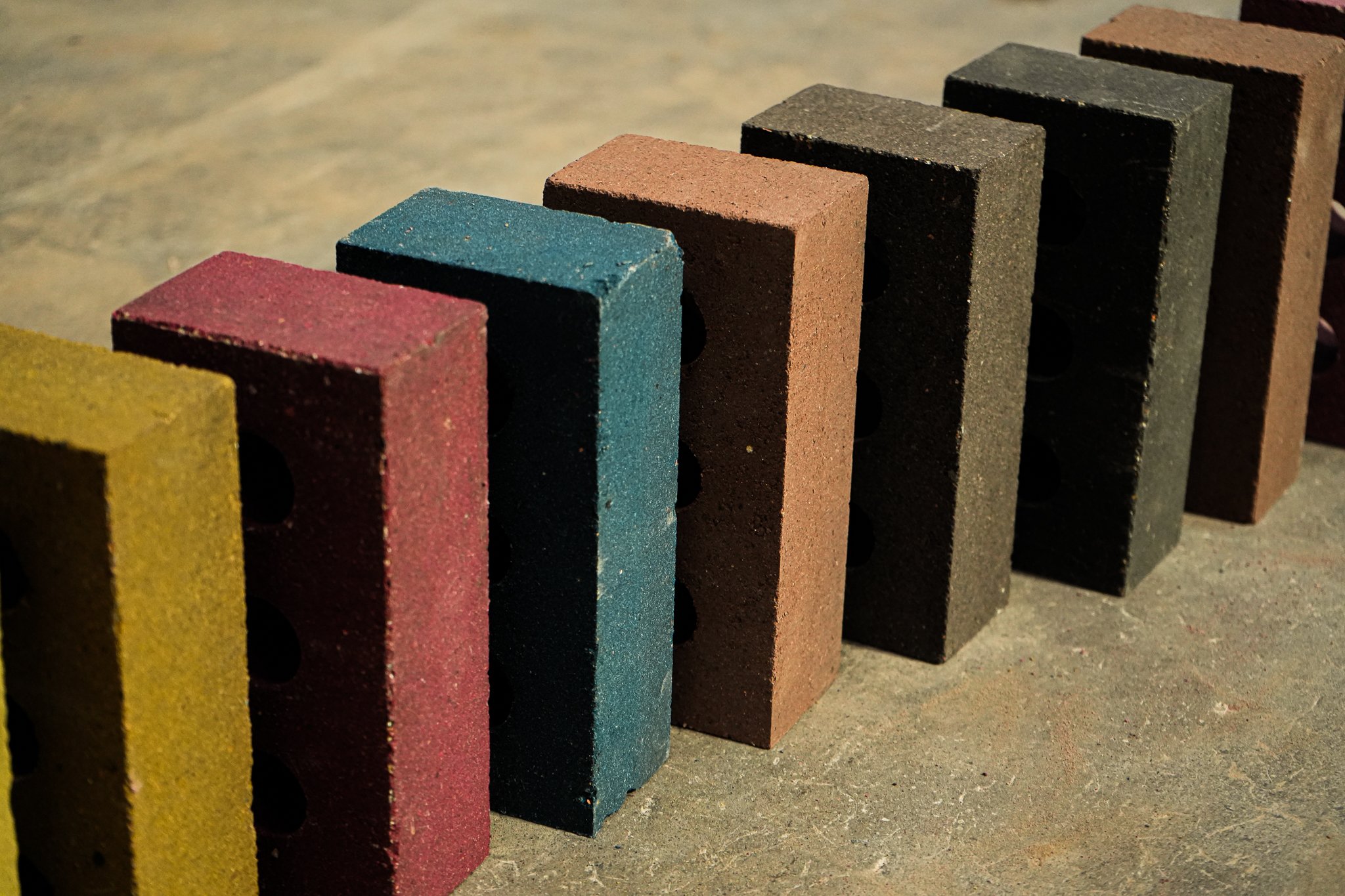
Aligning with circular economy principles while complying with stringent UK building regulations and standards may seem impossible. Yet, Kenoteq recently rose to the challenge. Its innovative brick, K-BRIQ, is almost entirely made using recycled waste from construction and demolition sites.
The problem with recycled materials is that they often perform inconsistently in terms of durability, functionality and safety. This is where certification can help. The extensive, rigorous testing underpinning the BBA Agrément certification process has established that K-BRIQ is fit for purpose.
Achieving certification has enabled Kenoteq to scale up its production to two million K-BRIQs per year, with plans to double this output to four million as demand increases. The product will undergo regular audits and inspections, as part of the BBA Agrément maintenance programme, to ensure that it remains fit-for-purpose. This ongoing commitment will enable K-BRIQ to continue meeting evolving industry standards and regulations while helping the built environment embrace the circular economy.
- Hemp insulation: meeting public and private industry requirements
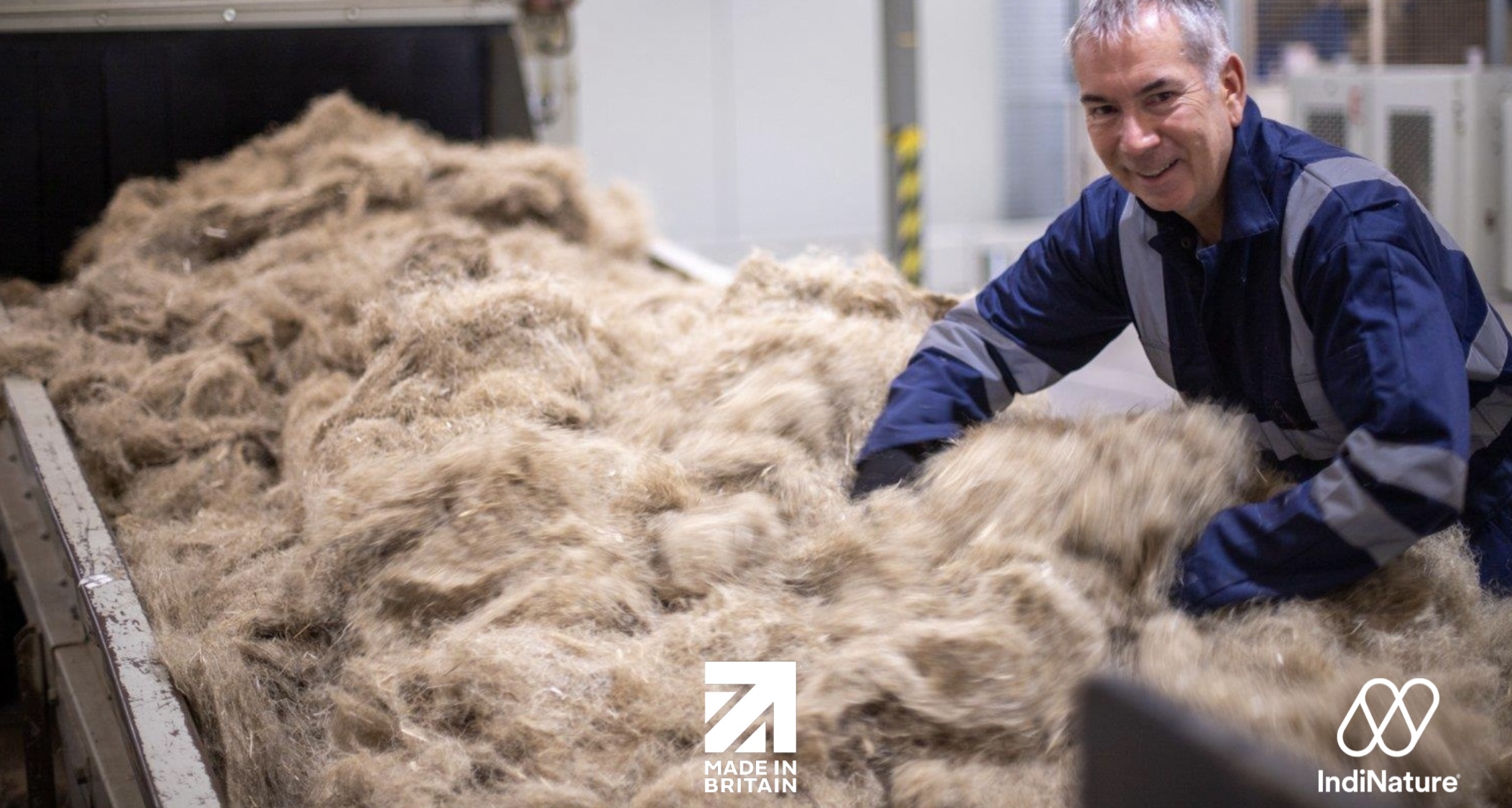
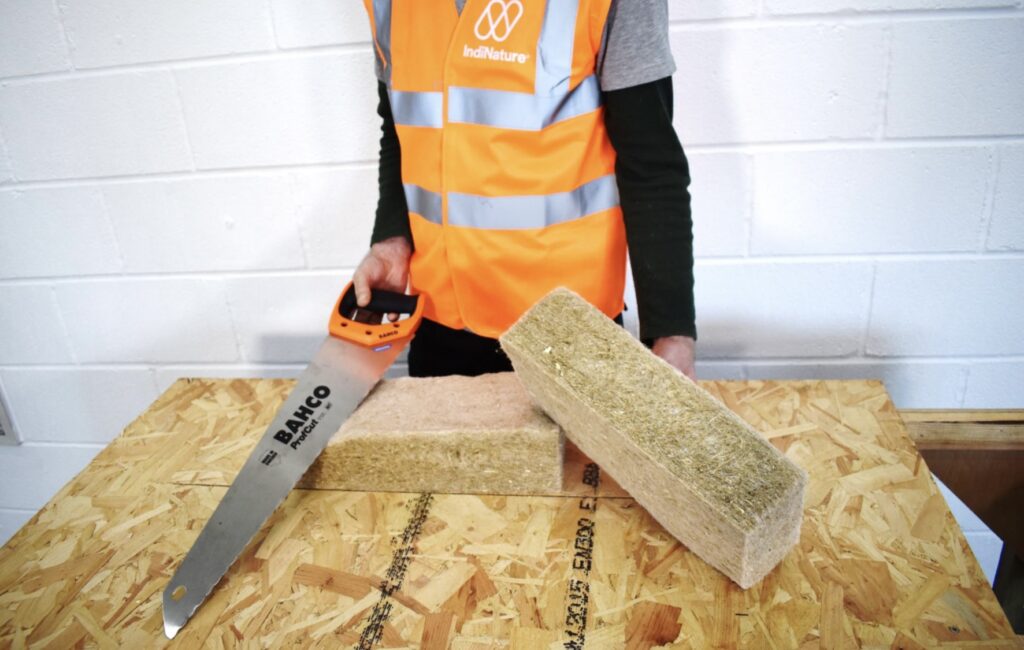
Home insulation is another area where innovative sustainable solutions have come to the fore in recent years. Take IndiTherm. This bio-based thermal and acoustic insulation product, developed by IndiNature, is made in the Scottish Borders using Yorkshire-grown hemp. This means that IndiTherm is effectively circular and carbon-neutral, as the carbon captured by British farms is then stored in British buildings.
So, how did certification help this product? The rigorous Agrément process has enabled IndiNature to optimise its in-house controls and continuously improve product performance. This means that IndiTherm now meets UK building regulations and is fit for purpose, meeting the stringent requirements of housebuilders, installers, warranty providers and government-funded insulation programmes.
- Smart bricks: filling a gap in existing standards
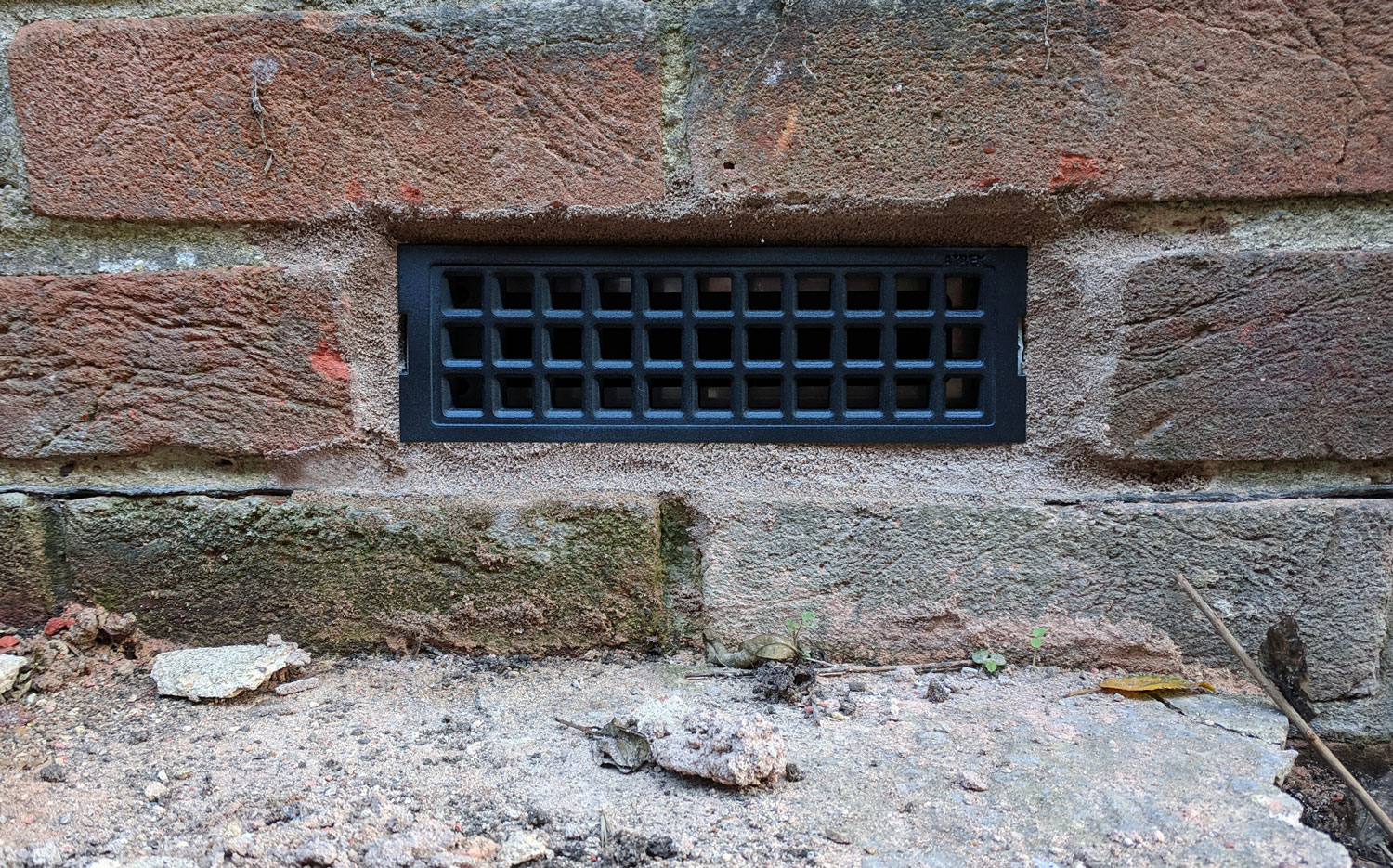
The words “smart” and “brick” don’t often appear in the same sentence. Yet, AirEx has proven this assumption wrong: its smart air bricks improve ventilation and save energy. But how? A ventilator with a motor-driven flap, controlled by a home hub, monitors humidity and regulates airflow to reduce energy demand and provide draught proofing.
Once again, certification paved the way for mainstream uptake of this innovation. With no similar products to benchmark against, the BBA assessed that the AirEx brick was fit for purpose in the absence of existing standards. The BBA team conducted factory visits to help refine and improve the production process. In addition, customer visits ensured that installation was assessed to guarantee the product’s safety and quality.
This certification process has ensured that Air Brick is used at scale in large social housing projects, meeting the requirements for government and industry-supported fuel poverty and decarbonisation schemes.
Not only that. The BBA’s Agrément certification programme ensures that the certification will continue to be reviewed and maintained throughout the product lifecycle, in line with changing industry regulations.
- Roofing systems: opening UK market to innovations from overseas
Innovation and sustainability often go hand in hand with ease of installation. The Nulok Roofing System is a case in point. This product consists of fully recyclable metal battens, link channels and spring-loaded clips. The link channels are snap-fitted to the battens to form an interlocking grid system, eliminating the need for side-lap tiles, reducing the quantity of slate used on each job.
The Nulok system weighs only 27.3 kg/m² when fully loaded, can be installed off-site, and easily integrates with solar panels. These characteristics make this system quick to install, reducing the installation time by up to 40%.
The Nulok Roofing System was already well established in its native Australia. What certification did was lay the ground for large-scale adoption in the UK and other countries where BBA certification is recognised. It proved to customers, contractors and architects that the system meets the necessary criteria within the built
In short: certification is key to sustainable innovation
The need to make the built environment more sustainable will continue to drive innovation in construction products. The products listed in this article are already being joined by new solutions and manufacturers speaking to the BBA about products that will aim to reduce carbon emissions and waste further.
In short, certification schemes like Agrément ensure that new products:
- Are fit for purpose.
- Are assessed against building standards and regulations.
- Continue to be fit for purpose and compliant through periodic reviews of the supporting 3-year maintenance programme that accompanies every certificate.
With certification, construction product innovations have the opportunity to gain the confidence to go from niche to mainstream. No matter what development stage they’re at, and no matter how unique they are.
For learning: We won’t ensure that products ‘meet’ regulations – we assess them, and then we say whether they do / don’t. It’s for the manufacturers to ‘meet’ them.
For learning: Again – we cannot guarantee that products will gain confidence etc – certification helps towards that.
Enter the BBA Sustainable Innovator Award
If you haven’t already, enter the BBA Sustainable Innovator Award by 28 August. This competition recognises and supports forward-thinking start-ups and small businesses driving meaningful innovation in the construction products sector.
Share This Story, Choose Your Platform!
Related News
Sustainable construction products are on the rise, but have they got what it takes to achieve mainstream success in a hypercompetitive market? Not without rigorous product certification. These four recent certification success stories speak to that point.
From recycled bricks to hemp-based insulation, construction products have been pushing the boundaries of innovation and sustainability in recent years. These eco-friendly engineering marvels are helping the built environment reduce its greenhouse gas emissions and transition to a circular economy.
But can sustainable construction products make a real dent in the sector’s huge environmental footprint, which amounts to 37% of global emissions? The answer is no, unless they achieve mainstream adoption. This is where product certification plays a vital role.
Let’s take a look at four ways in which certification has enabled innovative construction products to take the leap from niche to mainstream.
- Zero-waste bricks: making recycled materials market-ready
Aligning with circular economy principles while complying with stringent UK building regulations and standards may seem impossible. Yet, Kenoteq recently rose to the challenge. Its innovative brick, K-BRIQ, is almost entirely made using recycled waste from construction and demolition sites.
The problem with recycled materials is that they often perform inconsistently in terms of durability, functionality and safety. This is where certification can help. The extensive, rigorous testing underpinning the BBA Agrément certification process has established that K-BRIQ is fit for purpose.
Achieving certification has enabled Kenoteq to scale up its production to two million K-BRIQs per year, with plans to double this output to four million as demand increases. The product will undergo regular audits and inspections, as part of the BBA Agrément maintenance programme, to ensure that it remains fit-for-purpose. This ongoing commitment will enable K-BRIQ to continue meeting evolving industry standards and regulations while helping the built environment embrace the circular economy.
- Hemp insulation: meeting public and private industry requirements
Home insulation is another area where innovative sustainable solutions have come to the fore in recent years. Take IndiTherm. This bio-based thermal and acoustic insulation product, developed by IndiNature, is made in the Scottish Borders using Yorkshire-grown hemp. This means that IndiTherm is effectively circular and carbon-neutral, as the carbon captured by British farms is then stored in British buildings.
So, how did certification help this product? The rigorous Agrément process has enabled IndiNature to optimise its in-house controls and continuously improve product performance. This means that IndiTherm now meets UK building regulations and is fit for purpose, meeting the stringent requirements of housebuilders, installers, warranty providers and government-funded insulation programmes.
- Smart bricks: filling a gap in existing standards
The words “smart” and “brick” don’t often appear in the same sentence. Yet, AirEx has proven this assumption wrong: its smart air bricks improve ventilation and save energy. But how? A ventilator with a motor-driven flap, controlled by a home hub, monitors humidity and regulates airflow to reduce energy demand and provide draught proofing.
Once again, certification paved the way for mainstream uptake of this innovation. With no similar products to benchmark against, the BBA assessed that the AirEx brick was fit for purpose in the absence of existing standards. The BBA team conducted factory visits to help refine and improve the production process. In addition, customer visits ensured that installation was assessed to guarantee the product’s safety and quality.
This certification process has ensured that Air Brick is used at scale in large social housing projects, meeting the requirements for government and industry-supported fuel poverty and decarbonisation schemes.
Not only that. The BBA’s Agrément certification programme ensures that the certification will continue to be reviewed and maintained throughout the product lifecycle, in line with changing industry regulations.
- Roofing systems: opening UK market to innovations from overseas
Innovation and sustainability often go hand in hand with ease of installation. The Nulok Roofing System is a case in point. This product consists of fully recyclable metal battens, link channels and spring-loaded clips. The link channels are snap-fitted to the battens to form an interlocking grid system, eliminating the need for side-lap tiles, reducing the quantity of slate used on each job.
The Nulok system weighs only 27.3 kg/m² when fully loaded, can be installed off-site, and easily integrates with solar panels. These characteristics make this system quick to install, reducing the installation time by up to 40%.
The Nulok Roofing System was already well established in its native Australia. What certification did was lay the ground for large-scale adoption in the UK and other countries where BBA certification is recognised. It proved to customers, contractors and architects that the system meets the necessary criteria within the built
In short: certification is key to sustainable innovation
The need to make the built environment more sustainable will continue to drive innovation in construction products. The products listed in this article are already being joined by new solutions and manufacturers speaking to the BBA about products that will aim to reduce carbon emissions and waste further.
In short, certification schemes like Agrément ensure that new products:
- Are fit for purpose.
- Are assessed against building standards and regulations.
- Continue to be fit for purpose and compliant through periodic reviews of the supporting 3-year maintenance programme that accompanies every certificate.
With certification, construction product innovations have the opportunity to gain the confidence to go from niche to mainstream. No matter what development stage they’re at, and no matter how unique they are.
For learning: We won’t ensure that products ‘meet’ regulations – we assess them, and then we say whether they do / don’t. It’s for the manufacturers to ‘meet’ them.
For learning: Again – we cannot guarantee that products will gain confidence etc – certification helps towards that.
Enter the BBA Sustainable Innovator Award
If you haven’t already, enter the BBA Sustainable Innovator Award by 28 August. This competition recognises and supports forward-thinking start-ups and small businesses driving meaningful innovation in the construction products sector.
Share This Story, Choose Your Platform!
Related News
Get in touch
Please complete the form below and we will contact you as soon as possible.
To help us to respond to your inquiry as quickly as possible, we have put a handy list of our services below.